


Lunch Box Ready
4.42.38K Reviews
App Specs
- Version
- 1.8.3.6
- Updated On
- License
- Free
- Downloads
- 10,000,000+
- Developer
- CrazyLabs LTD
- Categories
- Simulation
- Platform
- Android
Screenshots



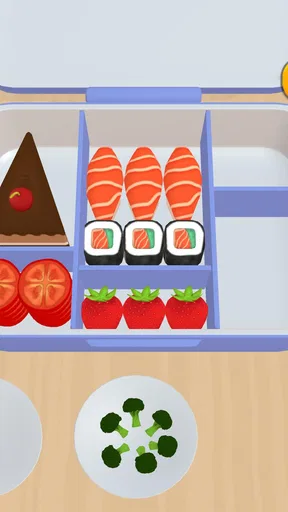
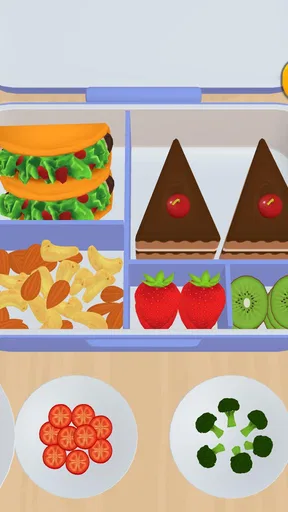
 Analysis by AppCompare
I found Lunch Box Ready to be a small, cheerful simulation game built around a very familiar routine: preparing food, arranging it neatly, and getting a lunchbox ready to go. The idea is simple, but that simplicity is exactly what makes it easy to pick up. I can open it for a short break, make a few choices, and feel that I have completed something without needing to learn a complicated control system.
My overall view is positive, with an important qualification: this is best treated as a relaxed organizing game rather than a deep cooking simulator. It is aimed at players who enjoy tidy visual tasks, food-themed interactions, and quick rounds of casual play. If you want detailed recipes, realistic kitchen management, or a long strategic campaign, this will probably feel too light. If you like turning a messy food setup into a pleasing finished lunch, it has a clear appeal.
What makes the lunchbox routine enjoyable
The central pleasure comes from the contrast between an unfinished food arrangement and the final packed result. I enjoyed paying attention to where things belonged and making the box look complete. That gives each small task a visual goal, which is more satisfying than simply tapping through a menu or waiting for a timer.
The game’s fridge-to-lunchbox theme also gives it a more specific identity than many generic sorting games. Food, containers, snacks, and dessert create a friendly context for the organizing actions. Even when the individual interaction is straightforward, the lunch-preparation framing helps the activity feel like one connected routine instead of a collection of unrelated mini tasks.
I would describe the pace as deliberately gentle. It suits moments when I want something interactive but not mentally demanding. A short session works well while waiting for an appointment or taking a break from a more demanding game. There is no need to remember a large set of rules before starting, and the store’s short description, “Lunch Box Ready,” accurately reflects the immediate goal without needing a long explanation.
That accessibility is one reason the game has reached a broad audience. It is a free simulation title from CrazyLabs LTD, with an average rating of 4.4 from around 201 thousand ratings and more than 10 million installs. Those figures do not make it automatically excellent, but they do show that the basic combination of food preparation and visual organization connects with many players.
A hands-on experience rather than a recipe lesson
One useful distinction is that I did not approach this as a way to learn real cooking. The enjoyable part is the presentation and arrangement of the meal, not following detailed culinary instructions. That makes it approachable for players who like the idea of cooking games but prefer simple touch interactions over ingredient management.
Worth Reading Before You Choose

EA SPORTS FC Mobile 26 Is a Bigger Football Game, but It Takes Time

Flipboard Shows What News Apps Must Do Beyond the Feed

Switching to Android Auto Means Rethinking Your Driving Routine

Google Calendar Makes a Crowded Week Easier to Manage

Ludo King Makes the Most of the Minutes Between Plans

Baby Panda World Brings Quick Play to Modern Phones, but Its Game Library Feels Busy
Compared with a traditional cooking game, the emphasis here is less about serving customers quickly or balancing several orders at once. Compared with a pure sorting game, the food theme gives the actions more personality. I think that middle ground is the strongest part of the design: it offers the calm satisfaction of organizing while keeping the setting playful and recognizable.
For younger players, the Teen content rating is worth noticing before installation. Adults can also enjoy it as a low-pressure pastime, but parents should use that rating as part of their decision rather than assuming that the cute presentation automatically makes it suitable for every child.
Why the visual result matters
The finished lunchbox is more important than any one tap. I found myself making choices based on how balanced the meal looked, not just on completing the immediate action. That creates a modest form of creativity. The game does not need to become an open-ended design tool for this to work; even limited placement decisions can make the final arrangement feel personal.
A practical tip is to slow down at the packing stage instead of rushing to fill the first available space. Looking at the remaining items before placing them helps avoid an awkward final arrangement. This is a small habit, but it changes the experience from random tapping into a more deliberate visual puzzle. Players who enjoy neat layouts will likely notice this more than players who only want fast rewards.
Another useful approach is to treat each session as a short reset rather than trying to play for a long uninterrupted period. The concept is naturally repetitive, and its charm is strongest when the activity remains fresh. I would rather return for several brief sessions than force a lengthy play session and start noticing the limited depth.
The main limitation: a narrow gameplay loop
The same simplicity that makes Lunch Box Ready approachable also limits it. Once I understood the basic rhythm of arranging food and completing the lunchbox, the novelty depended heavily on the presentation of each task. Players who need constant mechanical variety may find that the core loop becomes predictable.
This is not a criticism of the game’s intended audience so much as a warning about expectations. It does not replace a full cooking management game, a restaurant simulator, or a complex puzzle title. Those alternatives usually offer more systems to master, more pressure, or more meaningful long-term planning. Here, the reward is immediate visual completion, and that may not be enough for someone looking for progression with substantial strategic consequences.
I also think the game is less suitable for players who dislike repetition in casual mobile games. The lunchbox theme is appealing, but it naturally keeps the experience within a fairly tight subject. If the food-arranging fantasy does not interest you, there is not much else to pull you through a session.
My advice is to judge it by the quality of its short interactions, not by the standards of a large simulation. When I expected a relaxing organizing toy, it worked well. When I expected a detailed cooking experience, it felt too limited. That difference in expectation is the most important trade-off.
How I would use it in everyday life
Imagine having ten minutes before leaving home, with no interest in starting a story-driven game or a competitive match. This is the kind of situation where I would choose Lunch Box Ready. I can complete a small food-arranging task, enjoy the tidy result, and stop without worrying about losing progress in a complicated sequence.
It can also work as a palate cleanser between more demanding activities. After concentrating on work or studying, arranging a virtual lunchbox gives the hands something simple to do while keeping the mind lightly engaged. I would not call it a mindfulness tool, but its predictable structure can feel calming when I want a break without complete inactivity.
For a child or teenager, the appeal may come from the pretend routine of preparing food independently. Still, I would keep the Teen rating in mind and make the choice based on the individual player rather than the bright food presentation alone. The game is more appropriate for someone who enjoys casual simulation and visual organization than for someone specifically seeking educational cooking guidance.
Who should choose it, and who should skip it
I recommend it to players who enjoy arranging objects, completing compact tasks, and seeing a clean final result. It is especially suitable for people who prefer low-pressure games that can be played in short bursts. Fans of food-themed mobile games may appreciate that it focuses on the lunchbox itself instead of turning the experience into a busy restaurant shift.
I would also suggest it to players who find satisfaction in small acts of order. The difference between an incomplete arrangement and a finished meal is the core reward, so the game works best when that transformation feels meaningful to you. The more you enjoy visual balance and tidy presentation, the more likely you are to get value from the simple mechanics.
I would skip it if you want demanding puzzles, realistic cooking knowledge, or a simulation with extensive resource management. I would also look elsewhere if you need a strong narrative or a highly varied multiplayer experience. The game’s strength is focus, and that focus becomes a weakness when your preferred mobile games are built around complexity and constant change.
Practical details before installing
The game is free, which makes it easy to try without committing money upfront. It was released on March 7, 2022, and the current version is 1.8.3.6. On Android, it requires version 7.0 or later, so most devices that meet that requirement should be able to consider it, subject to their own performance and storage conditions.
Because the game is free, I would approach it as a casual download rather than a complete replacement for every other game on the phone. Its value comes from being available when I want a quick, friendly activity. Players should decide whether that kind of small, repeatable entertainment matches their habits before expecting a much larger experience.
The rating activity also suggests that it has a substantial player base: it has around 2.4 thousand written reviews alongside its much larger pool of ratings. I see that as useful context rather than a guarantee. A popular casual game can still be a poor fit for someone who wants depth, while a simple design can be exactly right for someone looking for an easy break.
Small habits that improve the experience
My first tip is to focus on the whole lunchbox, not just the item currently in front of you. Thinking one step ahead can prevent the final space from becoming visually awkward. This is especially helpful for players who initially treat the interactions as a sequence of isolated taps.
Second, use the game as a short-session title. The organizing fantasy has a pleasant rhythm, but it does not need to occupy a long evening. Stopping after a satisfying completed box preserves the relaxing quality and avoids turning the limited loop into a chore.
Third, compare the game with your actual reason for downloading a cooking title. If you want to practice recipes, this is the wrong tool. If you want to manage a restaurant, a management simulator will offer more decisions. If you want a friendly visual task involving food and packing, this is where Lunch Box Ready makes the most sense.
That comparison also clarifies its audience. It is not trying to win through realism or complexity; its appeal comes from making a familiar lunch-preparation idea easy to interact with. I found that more convincing when I stopped asking it to behave like a different genre.
My final recommendation
Lunch Box Ready is a pleasant, focused simulation game with a clear identity. I like the way it turns everyday food organization into a compact visual activity, and I think the lunchbox theme gives the simple interactions enough character to stand apart from an ordinary sorting game. The best moments come from arranging the meal thoughtfully and enjoying the finished result.
Its narrow loop is also impossible to ignore. Players looking for deep systems, serious cooking detail, or a long-term challenge should choose another kind of game. The experience is strongest in short visits, where its simplicity feels relaxing rather than repetitive.
For me, the final verdict is straightforward: this is a good free choice for calm, food-themed organizing sessions, but not a substitute for a full cooking or management simulator. If that distinction matches what you want from a mobile game, I think it is worth trying. If you need complexity to stay interested, the tidy lunchbox may be appealing once, but unlikely to hold your attention for long.
Pros
- Simple recipes make meal planning quick and approachable.
- Useful for preparing balanced lunches ahead of time.
- Clear food organization helps reduce daily decision-making.
- Suitable for users with limited cooking experience.
- Can inspire more variety in homemade packed lunches.
Cons
- Some recipes may require ingredients unavailable in every region.
- Portion guidance may be too general for individual dietary goals.
- Limited options could be available for strict allergy restrictions.
- Meal preparation can still take time on busy mornings.
- The app may feel repetitive for users seeking advanced recipes.
FAQs for Lunch Box Ready
What is Lunch Box Ready?
Lunch Box Ready is a casual food-preparation game focused on organizing and packing meals into a lunch box. Players arrange different foods, snacks, and containers so everything fits neatly and looks appealing. Its simple controls and short levels make it suitable for quick sessions, whether you want a relaxing game during a break or an easy title for casual play.
How do you play Lunch Box Ready?
Gameplay generally involves selecting food items and placing them in the correct spaces inside a lunch box. You may need to rotate, move, and organize objects carefully to use the available room efficiently. Later stages can become more challenging as the box contains more items or requires a particular arrangement, so planning is important instead of placing everything randomly.
Is Lunch Box Ready free to download and play?
Lunch Box Ready can typically be downloaded for free on supported mobile platforms, allowing players to try the main gameplay without paying upfront. However, free versions of casual games may include advertisements, optional purchases, or other monetized features. Before downloading, check the current store listing for pricing, in-app purchase details, and any regional differences.
Does Lunch Box Ready require an internet connection?
The basic packing and organizing levels may be playable without a constant internet connection, which is convenient for travel or areas with limited service. Nevertheless, advertisements, updates, cloud features, or purchases may require access to the internet. Offline availability can also change between versions, so it is best to test the game after installation rather than assume every feature works offline.
Is Lunch Box Ready suitable for children?
Lunch Box Ready uses a simple food-organizing concept and does not appear to depend on complicated controls, making it approachable for many younger players. Parents should still review the age rating, advertising content, and in-app purchase settings before allowing independent play. If the game displays frequent ads, parental controls or a supervised device profile may provide a more comfortable experience.


